
Reviewed · MYKONOS COOKING CLASSES & FARM VISITS
From Mykonos: Ano Mera Farm Tour
A quiet farm stop beats another beach day. On this Ano Mera Farm Tour, I like the real working-farm setting, plus the snack-and-raki moment that feels genuinely local. One thing to consider: it can be more of a light tour than a full animal-handling experience, depending on the day and how much you end up doing.
You start with a drive across central Mykonos, then walk about 400 meters into the Ano Mera area to meet the farm superintendent. From there, you get a guided look at how the property operates, the island’s farming traditions, and you’re invited to join practical garden and animal tasks if you want.
The whole thing lasts about 2.5 hours, including hotel pickup and drop-off for most areas. The best fit is when you want something calmer than sightseeing all day, and you like learning how food and livestock fit into island life.
In This Review
- Key things to know before you go
- From hotel pickup to Ano Mera in about 2.5 hours
- Entering a traditional Mykonian farm grounds
- The raki break and simple farm snacks
- Cutting seasonal produce from the vegetable garden
- Optional hands-on farm tasks: garden work and animal care
- How much animal interaction you should expect
- Price and value: what $51 actually buys you
- Who this tour is best for (and who should skip it)
- Should you book the Ano Mera Farm Tour?
- FAQ
- How long is the Mykonos: Ano Mera Farm Tour?
- What does the tour include?
- What snack will I get during the farm tour?
- Is raki included?
- Will I be able to do farming tasks?
- What if I prefer not to participate in farm tasks?
- Where is the tour located?
- Are there extra costs for pickup in remote areas?
Key things to know before you go
- Ano Mera setting: You’ll be based in the village area of Ano Mera, not in the tourist strip.
- Meet the superintendent: The tour centers on the farm staff explaining how the place works.
- Raki on a stone seat: A traditional setup is part of the experience, not just a sidebar.
- Seasonal garden snacks: You may cut and eat produce from the vegetable garden.
- Hands-on tasks are optional: Gardening and animal care tasks can happen, but you choose your level of participation.
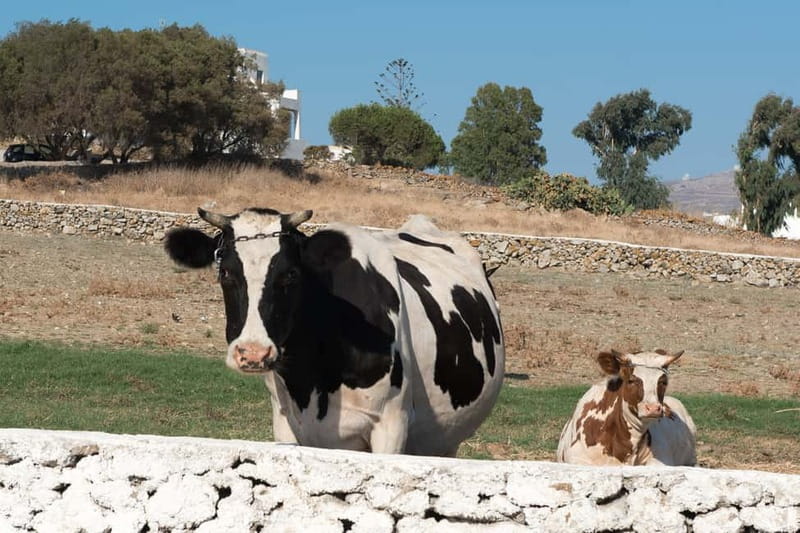
- Animal time may vary: The plan involves animals, yet on some visits you may mainly see them up close rather than interact a lot.
From hotel pickup to Ano Mera in about 2.5 hours
Mykonos is small enough that farms can feel like a change of pace rather than a big expedition. This tour begins with hotel pickup and a drive across the island toward Ano Mera, a village area known for a more everyday rhythm than the main waterfront.
Once you arrive, you’ll walk roughly 400 meters to the farm. That short walk matters because it transitions you out of the road-and-crowd feel and into the calmer, working-farm mood.
The timing is tight and friendly: plan for around 2.5 hours total. That’s perfect when you still want time to eat out, watch sunset, or just catch your breath after a busy Mykonos day.
Roll up your sleeves: more cooking classes and farm tables



Entering a traditional Mykonian farm grounds
The moment you reach the property, you’re greeted by the farm’s superintendent. This is where the tour gets its personality: instead of bouncing from stop to stop, you stay on-site and learn how one farm functions.
You’ll tour the grounds and hear how the farm operates, along with the history of Mykonian farming—the island’s agricultural patterns, livestock routines, and the role of crops. For me, that adds up to a more grounded kind of travel. It’s not just trivia; it’s a look at how people made island life work.
A nice detail is the way the experience is structured around listening and observing first, then participating. The farm isn’t trying to turn into a theme park, and that tone can be a good match for travelers who want less performance and more real daily rhythm.
The raki break and simple farm snacks
After you settle in, you’ll sit on a traditional stone-built seat while sipping traditional raki. This isn’t just a drink stop. It’s part of how the farm hosts guests—slow enough to talk, local enough to feel like a genuine tradition rather than an added extra.
Then comes the farmer’s snack. You can expect bread with tomatoes, kopanisti, cucumbers, and poor man’s black olives. If you’re expecting a fancy tasting menu, adjust your expectations. This is straightforward, rustic, and tied to what the farm and island put on the table.
In a day that costs $51, I think this food-and-raki moment is one reason the value can feel fair. You’re not only paying for entry—you’re also paying for a hosted experience that includes a real taste of local basics. Some visitors have noted that bread can be simple, even a bit stale, so think of it as farm nourishment, not gourmet baking.
Cutting seasonal produce from the vegetable garden
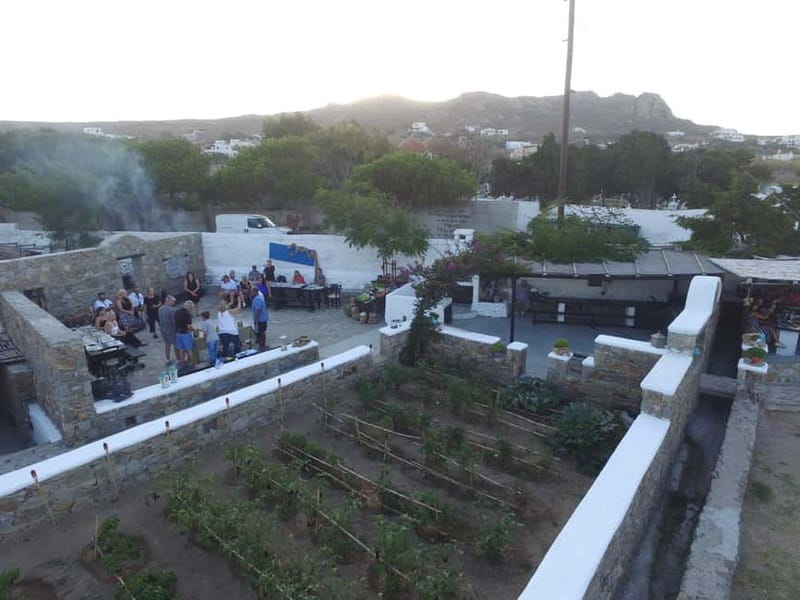
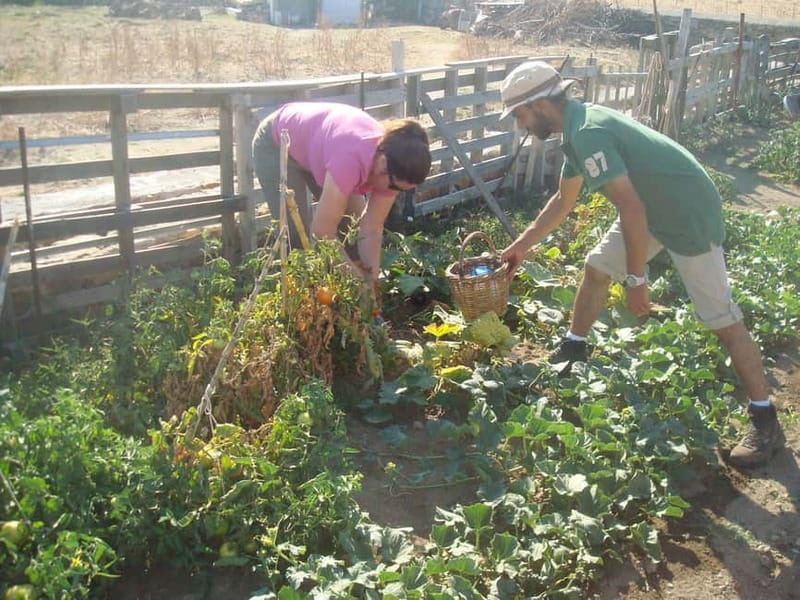
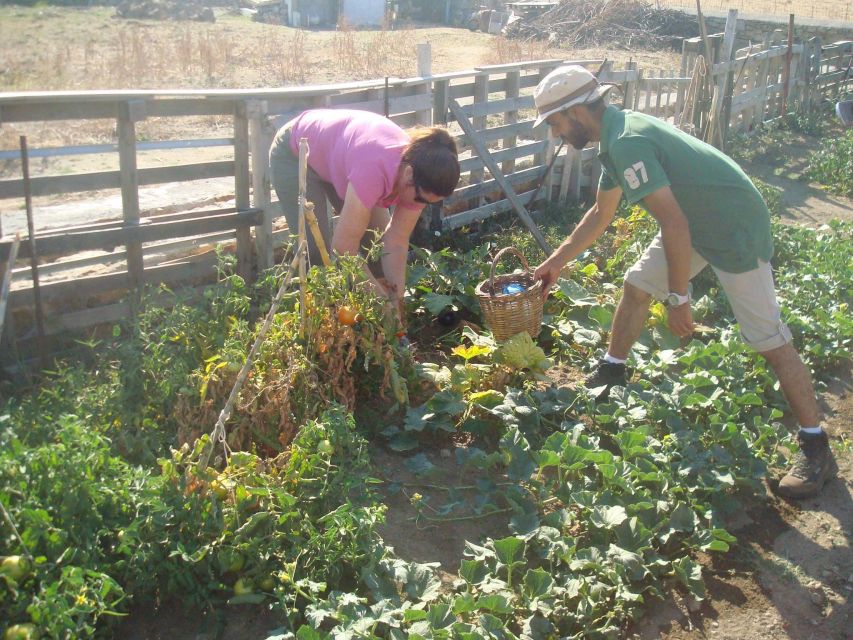
One of the more charming parts is the chance to cut and savor vegetables from the farm’s garden, depending on the season. It’s a small activity, but it does something helpful: it reminds you that this is a working place, not only a photo backdrop.
Because it’s seasonal, you won’t be able to predict exactly what you’ll get. Still, the idea is consistent: you taste what’s growing now, right where it’s grown.
This is also where you can get a better understanding of why Greek farming traditions matter. On an island like Mykonos, agriculture isn’t abstract—it’s a practical response to time, soil, and what you can raise.
Optional hands-on farm tasks: garden work and animal care
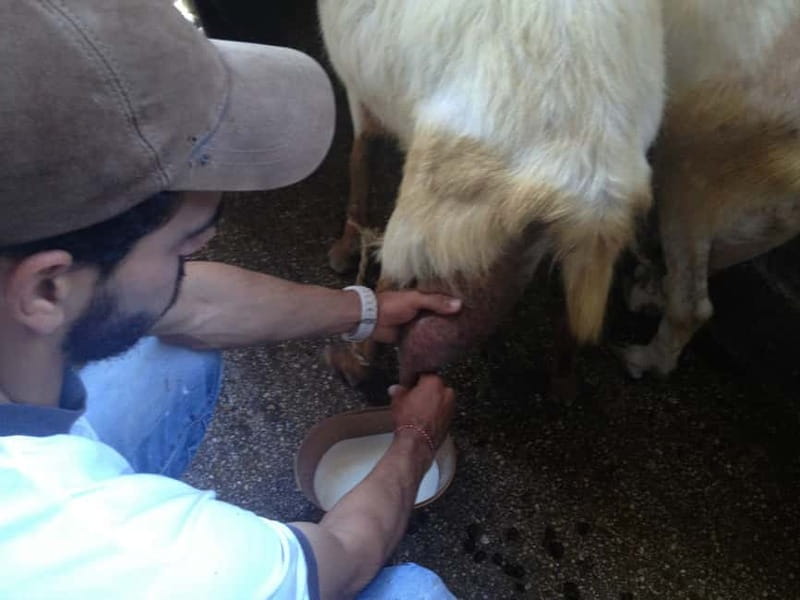
You can choose how involved you want to be. If you’re interested in doing something hands-on, the superintendent will provide the right tools and instructions as you go.
Some tasks you might do include cleaning the garden and weeding, trimming the garden and vineyard, or cleaning, watering, or feeding the animals. That range matters. It means you’re not stuck doing only one repetitive job, and you can pick based on your comfort level.
If you’d rather not join the tasks, the tour is designed to give you free time while others work. That’s a real plus in a hands-on tour, because it lets you opt into the farm experience without forcing a participation level.
One practical note: tools and guidance are included, so you’re not expected to know farming skills. Still, be ready for light farm work energy—this is more active than sitting in a bus.




How much animal interaction you should expect
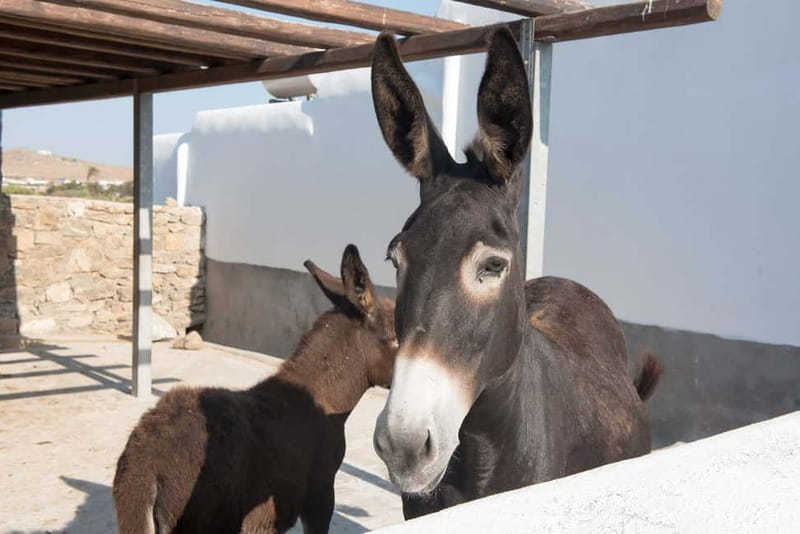
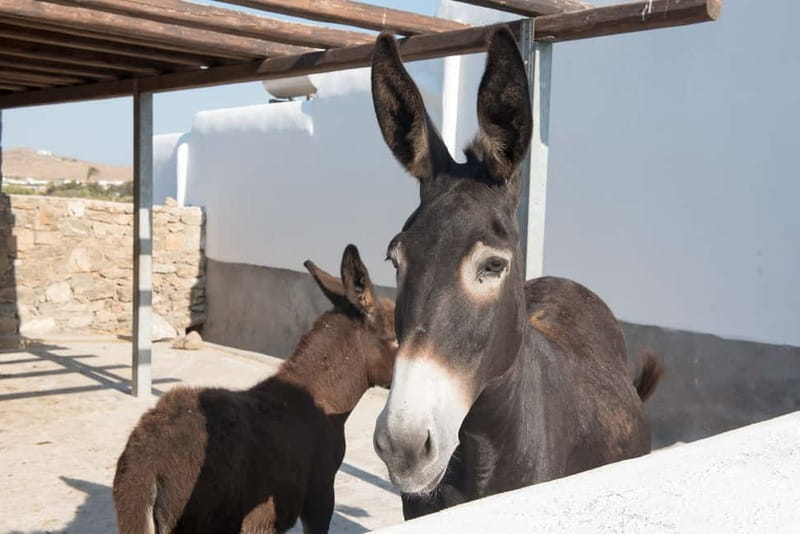
Animals are part of the core pitch: you’ll spend time with farm animals and learn about livestock in island farming. In the ideal scenario, you might be encouraged to feed or help care for them.
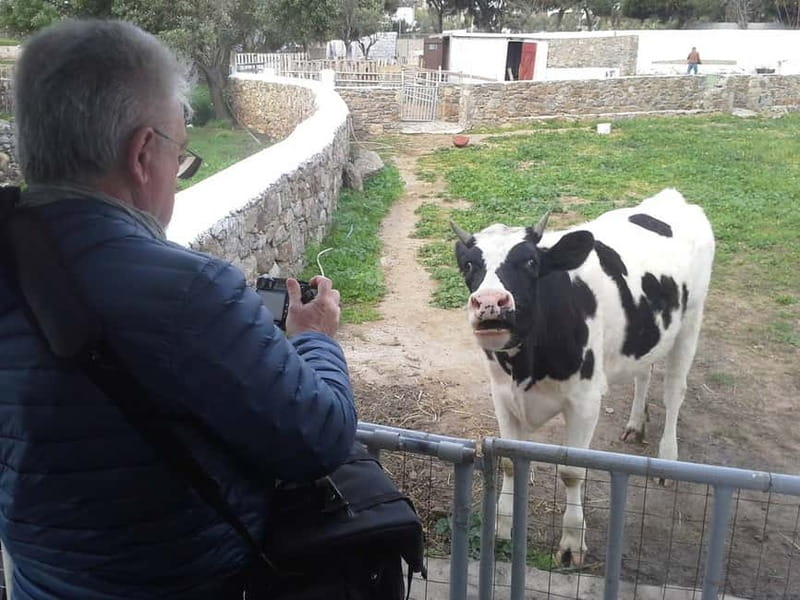
In practice, how interactive that part feels can vary. Some visits can feel closer to seeing animals from afar, with limited chances to pet or do the work you were expecting. That mismatch is frustrating if you booked specifically for close-up animal time.
My advice is to treat animal interaction as a possibility, not a guarantee. If you truly want hands-on animal contact, go in with flexibility and focus on the broader farm-life learning. The tour is still worthwhile if you enjoy watching how a farm is organized and hearing how livestock fits into daily routines.
Price and value: what $51 actually buys you
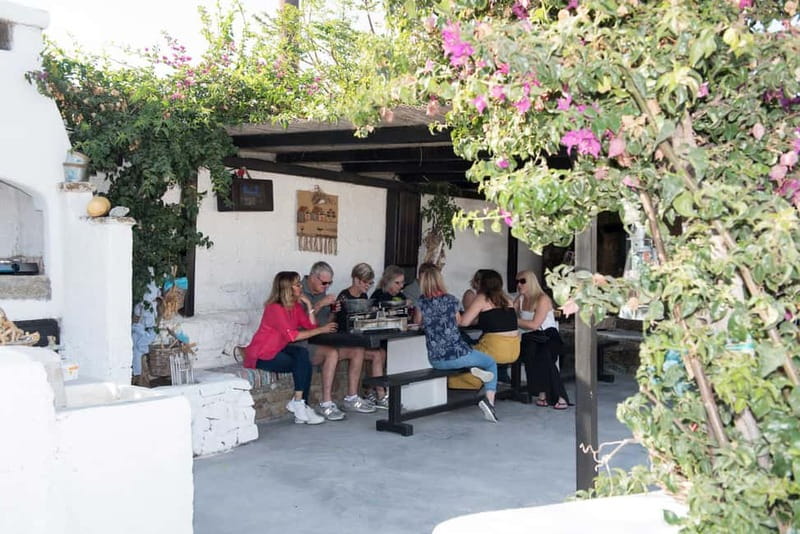
At $51 per person for about 2.5 hours, this tour can represent good value—especially because it includes more than just entry.
Included in your price:
- hotel pickup and drop-off (for most hotels and most areas)
- farm entrance fees
- the farm tour and guide
- snacks and raki
That combination adds up in real life. You’re paying for transportation time, a hosted food stop, and access to a working property with a staff explanation.
There can be an extra cost if you’re staying in remote areas such as Elia, Kalafatis, Agrari, Panormos, Super Paradise, Paradise & Kanalia. The extra charge listed is 10.00 euro per person round-trip, payable in cash to the driver. If you’re anywhere near those zones, check your exact pickup situation so you’re not surprised.
Bottom line: if you want a real-farm experience with a local snack and a calm pace, $51 doesn’t feel out of line. If you want heavy hands-on animal care and lots of structured activities, you may find the format simpler than you hoped.
Who this tour is best for (and who should skip it)
This is best for you if:
- you like learning how places actually feed themselves
- you enjoy small, local food experiences like kopanisti and olives
- you want a quieter break from Mykonos nightlife and beaches
- you’re comfortable with optional participation, not guaranteed big production
It may not be your ideal choice if:
- you booked specifically for milking or lots of close-up animal handling (the experience can be more limited than advertised)
- you’re expecting a high-energy show with lots of tasks scheduled back-to-back
- you prefer very polished, tightly scripted tours
One more thing: the tour is in English, and the vibe is guided by the farm staff and superintendent. That tends to feel authentic, but it also means the experience is shaped by how things are running on the farm that day.
Should you book the Ano Mera Farm Tour?
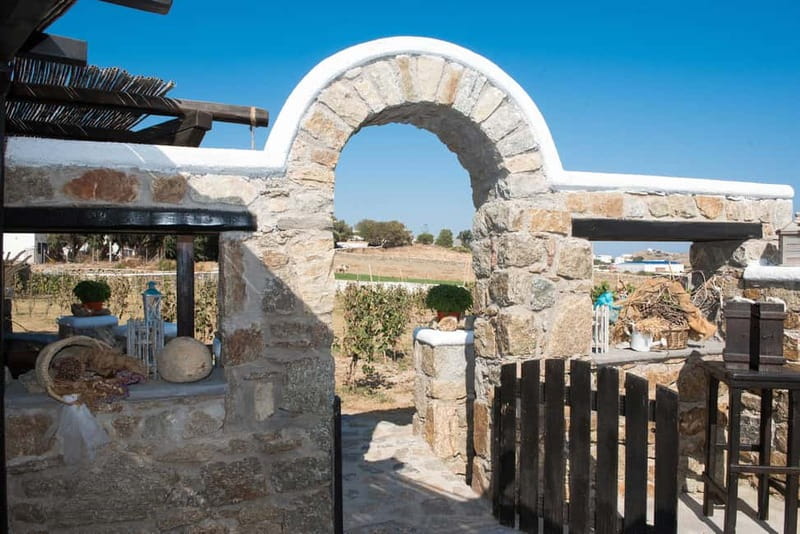
I’d book this tour if you want a genuinely local farm visit where the snack, raki, and agricultural talk feel like part of daily life. The value works best when you see it as an honest look at island farming—sometimes hands-on, sometimes mostly observational—held together by good hosting and a simple meal.
Skip it if animal interaction is your top goal and you’re likely to be disappointed if you end up mostly watching rather than actively doing. For everyone else, it’s a refreshing way to spend a short chunk of your Mykonos time away from the crowds.
FAQ
How long is the Mykonos: Ano Mera Farm Tour?
It lasts about 2.5 hours. Starting times vary, so you’ll need to check availability for the schedule.
What does the tour include?
Hotel pickup and drop-off (for most areas), farm entrance fees, a farm tour, snacks, and raki.
What snack will I get during the farm tour?
You’ll be served a farmer’s snack that includes bread, tomatoes, kopanisti, cucumbers, and poor man’s black olives.
Is raki included?
Yes. You’ll sit on a traditional stone-built seat while sipping traditional raki as part of the visit.
Will I be able to do farming tasks?
You can choose. If you want to participate, the superintendent provides tools and instructions. Possible tasks include weeding, trimming garden or vineyard, and cleaning/watering/feeding animals.
What if I prefer not to participate in farm tasks?
You can opt out of the tasks and have more free time at your leisure during the portion where others may work.
Where is the tour located?
The tour takes place around Ano Mera. After pickup across central Mykonos, you’ll walk about 400 meters to the farm.
Are there extra costs for pickup in remote areas?
Yes. For some remote areas, there may be an extra charge of 10.00 euro per person round-trip, paid in cash to the driver.
More Cooking Classes and Farm Tables

More Things to Do on Mykonos



More Mykonos Tours to Browse

Not quite this one? A handful of other Mykonos trips we have written up






Mykonos Cooking Classes & Farm Visits, compared.
 ★ 4.8Delos and Rhenia Islands Cruise with BBQ MealFrom $152913 reviews
 ★ 4.9Cooking Class with Food and WineFrom $169268 reviews
 ★ 5.0Cooking Classes in Mykonos GreeceFrom $181180 reviews
 ★ 5.0Group Cooking Class at the Home of a Local FamilyFrom $117166 reviews
 ★ 5.0Souvlaki Cooking Class with Locals – Transfer IncludedFrom $13993 reviews
 ★ 4.6Wine Tasting at a Mykonian FarmFrom $8879 reviews
 ★ 4.8Delos and Rhenia Cruise with Swim and Greek MealFrom $15964 reviews
 ★ 5.0Mykonos Home Cooking Class & Traditional Greek Meal with AngelinaFrom $32654 reviews
Browse the lists this tour appears in