
Reviewed · MYKONOS COOKING CLASSES & FARM VISITS
Olive Oil Tasting at the Mykonian Farm
Olive oil can sound fancy, until you smell it. This Mykonian Farm tasting turns extra virgin olive oil into something you can actually describe, with a guided session built around aromas, flavors, and real sensory words. I like that you compare award-winning EVOOs with oils that have negative attributes, because it trains your palate fast. I also like the focus on the basics of how to taste and talk about what you’re experiencing, including terms like fruity, bitter, and spicy.
One thing to consider: the price is on the steep side for a 2-hour experience, and a couple comments felt the overall meal side didn’t match expectations. If you’re mostly in it for the tasting lesson, you should feel more satisfied than someone hoping for a long, full-farm event.
In This Review
- Mykonian Farm Olive Oil Tasting: Key Things You’ll Notice
- Olive Oil on Mykonos, Made Understandable at Mykonian Farm
- The 2-Hour Flow: What Happens During the Tasting
- What You’ll Actually Taste: Award-Winning vs Negative-Attribute Oils
- Extra Virgin 101: The Sensory Vocabulary That Changes Shopping
- The Mediterranean Diet Angle: Why EVOO Gets Treated Like Health Food
- The Farm Setting: Animals, Food, and the Value Question
- Group Size and Timing: Why 15 People Feels Right
- Who This Tasting Is For (and Who Might Not Love It)
- Practical Tips for Getting the Most From the Tasting
- Price and Value: Is $104.28 Worth It?
- Should You Book the Mykonian Farm Olive Oil Tasting?
- FAQ
- How long is the olive oil tasting at Mykonian Farm?
- What time does the experience start?
- How many olive oils do you taste?
- Is pickup offered?
- Is there a limit on group size?
- What’s included in the tasting experience?
- Can you change or cancel your booking?
Mykonian Farm Olive Oil Tasting: Key Things You’ll Notice
- A small-group setup (up to 15 people) that keeps the tasting instruction practical
- 2 award-winning EVOOs + 2 oils with negative attributes, so you can hear and taste the difference
- A specialist olive oil taster guides the sensory analysis with clear vocabulary
- A “learn to smell and taste” format, not just watching an explanation
- Biodegradable tasting glasses, a small detail that fits the farm setting
Olive Oil on Mykonos, Made Understandable at Mykonian Farm
If you’ve ever had olive oil that tasted like nothing—or tasted like something unpleasant—you know why this kind of class matters. Greek olive oil has been part of everyday life for centuries, and this experience focuses on the part most people skip: learning how to detect what’s actually in the bottle.
At Mykonian Farm, the teaching area is designed for tasting, so you’re not juggling random distractions while you try to identify aromas. The vibe is hands-on. You’ll learn how to smell and taste to uncover the flavors and “nose” of some of Greece’s Extra Virgin Olive Oils, and you’ll also get a reality check on what extra virgin should not be.
Roll up your sleeves: more cooking classes and farm tables



The 2-Hour Flow: What Happens During the Tasting
This is a short, structured session starting at 5:00 pm and lasting about 2 hours. The timing matters on Mykonos: by late afternoon, you can shift from beach mode into something slower, indoor or semi-contained, and learn-focused.
You begin with short background, including a brief history of Greek olive trees and olive oil. Then the specialist shifts into the sensory lesson: how to do tasting in a way that produces useful descriptions. The point isn’t to memorize fancy terms; it’s to help you notice the differences you’ll care about later, when you’re buying olive oil for your kitchen.
During the tastings themselves, you’ll sample four oils total—two award-winning Greek Extra Virgin Olive Oils and two oils with negative attributes. That mix is central to the value of the experience, because “good” becomes easier to recognize when you’ve also tasted what’s off.
What You’ll Actually Taste: Award-Winning vs Negative-Attribute Oils
Most olive oil tastings only show you the good stuff. This one makes you do the comparison. By tasting both exceptional oils and oils with negative characteristics, you train your sense of what quality tastes like—and what poor quality tends to bring to the table.
You’re guided through the differences using tasting language like fruity, bitter, and spicy. Those words can sound vague until someone ties them to what you’re smelling and tasting. When you’re comparing multiple samples in one session, the learning sticks quicker because you can go back and forth between impressions instead of trying to recall them hours later.
This approach is also what makes the tasting feel more grounded. You’re not only learning why EVOO is beloved; you’re learning how to spot an oil that should raise red flags.
Extra Virgin 101: The Sensory Vocabulary That Changes Shopping
A big claim of the experience is understanding the true meaning of extra virgin, and the training is built around tasting and sensory analysis. Practically, that means you learn the elements that characterize extra virgin olive oil, not just the marketing phrase itself.
The guide also helps you describe olive oil correctly, using that same set of tasting terms—fruity, bitter, and spicy. For shopping, that’s a game-changer. If you can describe what you like, you stop buying purely based on label claims, age, or word-of-mouth.
You’ll also learn how to recognize a defective olive oil from a good one. The lesson is useful even if you never become an olive oil nerd. Once you’ve tasted examples side-by-side, you’ll be more confident buying a bottle that matches the taste profile you want for salads, bread, cooked dishes, or finishing.
The Mediterranean Diet Angle: Why EVOO Gets Treated Like Health Food
This tasting doesn’t stay only in the glass. You’ll also learn about the health benefits of extra virgin olive oil and how it connects to the Mediterranean Diet. The session highlights antioxidants, fatty acids, and vitamins, and positions EVOO as the core healthy fat in the Mediterranean eating style.
This part is helpful because it answers the question people quietly have: is EVOO just culinary branding, or does it connect to real benefits? The guide frames it as more than a trend, including the health and beauty benefits described in the experience overview.
Just keep your expectations realistic. A 2-hour tasting won’t replace good food choices. But it can make EVOO feel more meaningful on your trip—and more likely you’ll actually use what you buy once you’re home.
Raise a glass: more Mykonian wine and olive-oil tastings





The Farm Setting: Animals, Food, and the Value Question
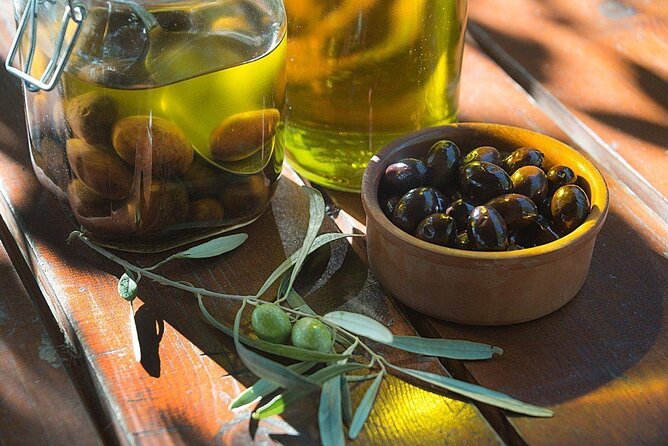
Mykonian Farm isn’t only a tasting room. Comments tied to this experience mention that you can feed animals, and that the farm includes food and wine as part of the broader event. That combination can be part of the appeal if you want more than a purely classroom-style session.
Still, the value question comes up. One comment said the dinner felt lower than expected for the price, while others praised the food and wine as great. So here’s the practical way to read this: go in knowing the tasting is the main feature, and the meal side may vary in satisfaction depending on what you expected you’d get.
If you’re hoping for a major, multi-course dining experience, temper that. If you’re coming for the olive oil education and the chance to taste quality versus flaws, you’re in the right mindset.
Group Size and Timing: Why 15 People Feels Right
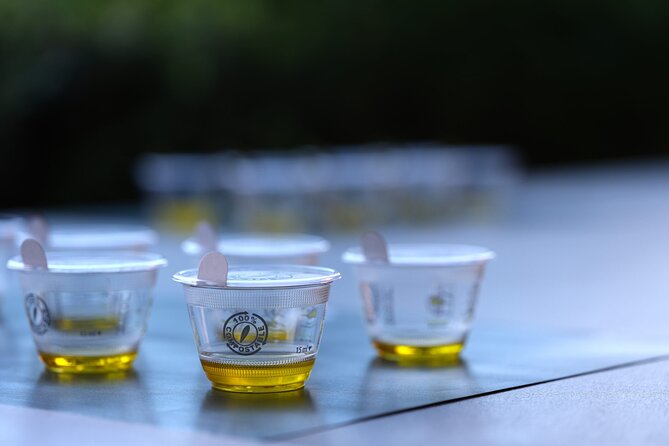
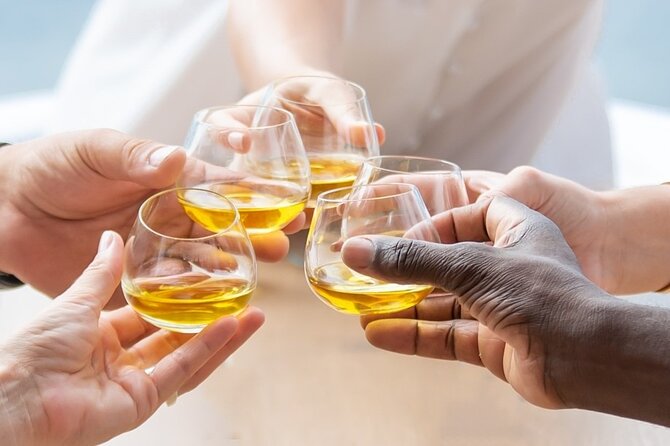
With a maximum group size of 15 people, you’re less likely to get lost in the crowd. This is one of the reasons the tasting works as instruction instead of just pouring oil and sending you on your way. In a smaller group, the guide can keep the session moving while still giving you enough time to notice the differences.
The 5:00 pm start also shapes the experience. You’re not doing an early morning rush, and you’re not scheduling around late-night limits. If you’re visiting Mykonos for a short stay, that timing can fit neatly between beach time and a dinner plan.
Pickup is offered, which matters if you don’t want to handle local transport late in the day. You also get a mobile ticket, so you’re not hunting for paper.
Who This Tasting Is For (and Who Might Not Love It)
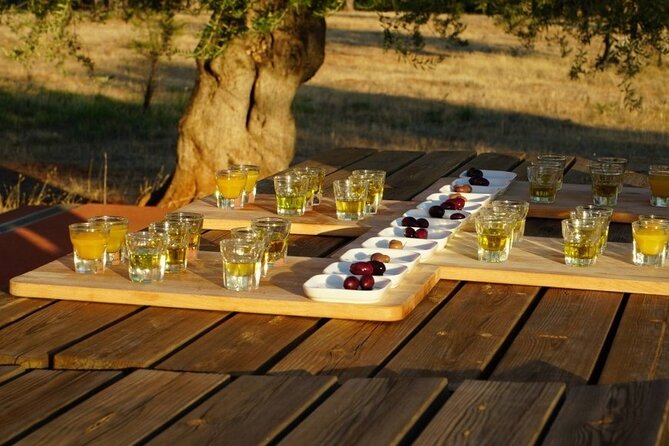
This olive oil experience suits you if you want to take home more than a souvenir bottle. You’ll enjoy it most if you like hands-on learning and you’re interested in learning what quality tastes like—and how to describe it.
It’s also a strong pick if you’re already buying EVOO and want to get better at choosing. After tasting award-winning samples alongside less ideal ones, you’ll be more alert when you’re standing in a shop reading bottles.
If you’re only looking for a casual “sip and leave” activity, the $104-ish price might feel harder to justify. And if your priorities are mainly animals or a full meal, you’ll want to manage expectations around how much time and how much food you’ll truly get.
Practical Tips for Getting the Most From the Tasting
You’ll get the best results if you treat it like a mini language lesson. Pay attention to the guide’s descriptions and try to match the words—fruity, bitter, spicy—to what you actually notice in each sample.
Also, come with a simple goal: decide what style of EVOO you love. Some people prefer a smoother profile. Others like that bitter or spicy kick that often signals freshness and character. When you know your preference, shopping afterward becomes easier.
Lastly, don’t overthink it during the tasting. You’re learning to recognize quality and defects by sensory clues. The session is designed to train that skill quickly, especially since you’ll be tasting four oils in one sitting.
Price and Value: Is $104.28 Worth It?
Let’s be honest: $104.28 per person is not cheap for a 2-hour activity. The value comes down to what you’re paying for.
You’re paying for:
- instruction from a specialist olive oil taster
- tasting of four oils including negative attributes
- the chance to learn tasting vocabulary that helps you buy better olive oil
If you view it as an education that improves how you shop and cook—especially if you plan to bring bottles home—it can feel more justified. If you mainly want a low-cost evening activity with food and fun, the price may sting, particularly if dinner expectations are high.
A useful decision rule: if you’d buy a class elsewhere for similar money just to learn a skill, this fits that mindset. If you’d rather spend on beaches, swims, and flexible dining, you might pass.
Should You Book the Mykonian Farm Olive Oil Tasting?
Book it if you want to understand EVOO beyond the label. This is one of those experiences where tasting quality and faults side-by-side teaches you something you can use immediately—both for taste and for buying later.
Skip it or think twice if you’re price-sensitive or you’re expecting a big meal-forward evening. A couple comments highlighted disappointment about the dinner value, while others said the food and wine were great. If your main goal is olive oil learning, you’re likely to feel satisfied. If your main goal is a long, food-heavy farm dinner, you may feel you paid too much for too short a window.
If you can, plan around the 5:00 pm start, and take advantage of the small group size. Then focus on the tasting lesson. That’s where the experience earns its money.
FAQ
How long is the olive oil tasting at Mykonian Farm?
The tour lasts about 2 hours.
What time does the experience start?
The start time is 5:00 pm.
How many olive oils do you taste?
You’ll taste 2 award-winning Greek Extra Virgin Olive Oils and 2 olive oils with negative attributes.
Is pickup offered?
Yes, pickup is offered.
Is there a limit on group size?
Yes. The maximum number of people is 15.
What’s included in the tasting experience?
It includes a short history of Greek olive trees and olive oil, the basic principles of olive oil tasting and sensory analysis, tasting of four oils (including award-winning ones and oils with negative attributes), and basics on health benefits. It also includes biodegradable tasting glasses and tasting led by an expert olive oil taster.
Can you change or cancel your booking?
No. The experience is non-refundable and cannot be changed for any reason.
More Mykonian Wine and Olive Oil
More Cooking Classes and Farm Tables

More Mykonos Tours to Browse





Not quite this one? A handful of other Mykonos trips we have written up











Mykonos Cooking Classes & Farm Visits, compared.
 ★ 4.8Delos and Rhenia Islands Cruise with BBQ MealFrom $152913 reviews
 ★ 4.9Cooking Class with Food and WineFrom $169268 reviews
 ★ 5.0Cooking Classes in Mykonos GreeceFrom $181180 reviews
 ★ 5.0Group Cooking Class at the Home of a Local FamilyFrom $117166 reviews
 ★ 5.0Souvlaki Cooking Class with Locals – Transfer IncludedFrom $13993 reviews
 ★ 4.6Wine Tasting at a Mykonian FarmFrom $8879 reviews
 ★ 4.8Delos and Rhenia Cruise with Swim and Greek MealFrom $15964 reviews
 ★ 5.0Mykonos Home Cooking Class & Traditional Greek Meal with AngelinaFrom $32654 reviews
Browse the lists this tour appears in