Reviewed · MYKONOS DIVING & SNORKELING
Discover Scuba Diving Adventure in Mykonos
Your first time underwater can feel scary. This one is built to make it practical and confidence-based, with small groups and real coaching from instructors like Juan, Annie, and Edouard.
What I like most is the mix of clear structure and human support: you get a serious safety briefing (including a short video), gear that’s actually explained, and then step-by-step practice in the water before you head to the reef. I also love the smaller-group setup, where there’s a maximum of four people per guide, so you’re not just another body in a wetsuit.
One consideration: you’re not signing up for a certification course, and the experience happens close to shore on a rocky Mediterranean reef. If you’re expecting coral gardens and a huge “wow” display, you might leave wanting more—especially if you go on a day when visibility isn’t at its best.
In This Review
- Key things to know before you go
- First Underwater Trial at Paradise Beach (What it feels like)
- The Mykonos scuba center briefing: where confidence gets built
- Gear up, then into the water: what the setup really means
- The underwater session on the rocky home reef (and what you should expect)
- Optional boat session after you pass the basics
- Price and value: what you’re really paying for
- Timing, schedule options, and how to plan your day
- Health questionnaire and who should skip it
- Who this is best for (and who might feel disappointed)
- Should you book this Mykonos scuba trial?
- FAQ
- FAQ
- What’s the duration of the Mykonos experience?
- Where does the experience start and end?
- Do I need prior scuba experience?
- How old do you need to be to join?
- Do I need to complete any health form?
- What’s included in the price?
- Is there an optional additional underwater session?
- What happens if weather is bad?
Key things to know before you go
- Small group coaching (max 4 per instructor) means you get hands-on attention when your brain is busy.
- A structured safety briefing comes before equipment goes on, including a 20-minute video.
- The underwater time is planned around control and air management, running about 45–60 minutes or until 50 bar.
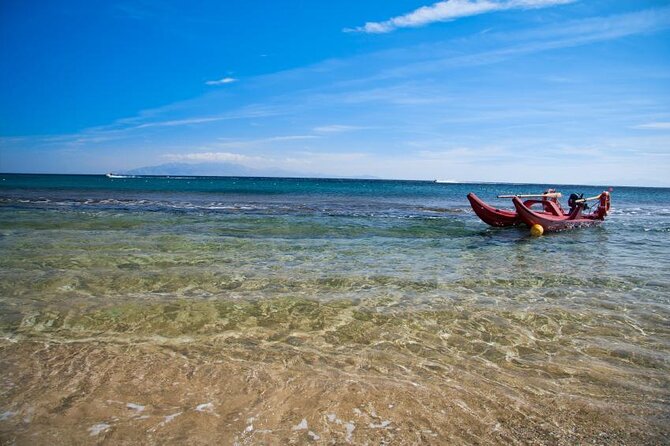
- Home reef, close to shore keeps the focus on learning, not long travel or complex logistics.
- Optional extra boat session may be available after you finish successfully, for an added cost.
- Real-world limits apply: there’s a health questionnaire, medical conditions may rule you out, and flying within 48 hours isn’t recommended.
First Underwater Trial at Paradise Beach (What it feels like)
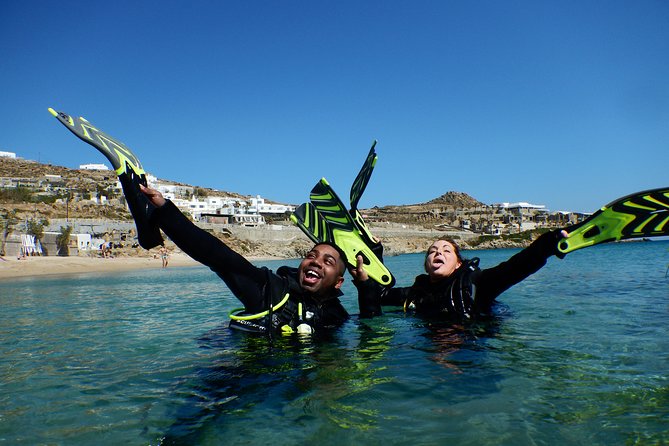
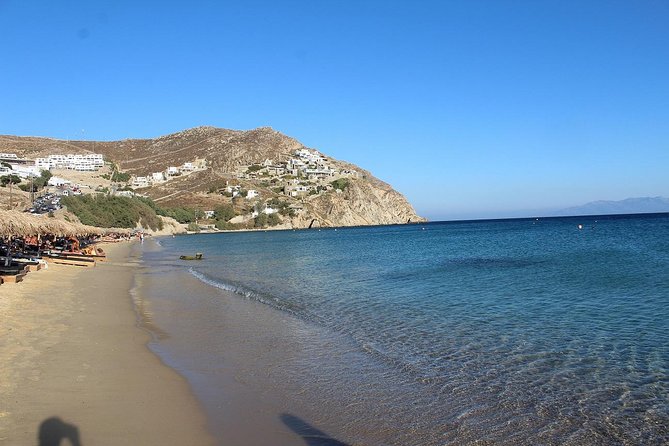
Meet at Paradise Beach, at the Paradise Beach resort area. The whole point here is getting your first real experience with breathing underwater—without the pressure of doing a full certification course. You’ll be taught the steps a PADI-certified diver uses, but in a shorter, trial-style format designed for beginners and people who want to see if scuba fits their brain.
The vibe at the start is usually a mix of excitement and nervous energy. That’s normal. What helps is that the program doesn’t rush you from the beach to the reef like a stunt. You practice the basic skills first, with the instructor right there guiding your breathing and body position, so you can focus on staying calm and controlled.
Also, this is not a “just swim and see what happens” setup. The coaching is built in, and that’s exactly what people praised in the feedback I reviewed—patient instruction, clear explanations, and instructors who stay focused on safety even when you’re new.
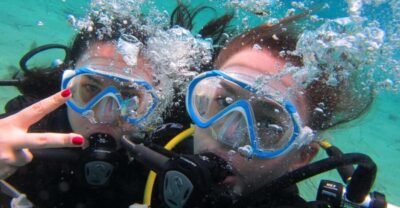
Mask on: more diving and snorkeling in the Mykonos blue
The Mykonos scuba center briefing: where confidence gets built
Before you hit the water for real, you’ll spend time at the Mykonos scuba center for the “okay, here’s how this works” part. Expect an in-depth instruction block—more than a quick talk. You’ll go through safety requirements and the skills you’ll need for the underwater session.
A few smart details matter for first-timers:
- You’ll watch a short video that covers safety and what to expect.
- You’ll get a guided walkthrough of the gear and how it’s used.
- You’ll do an instructor briefing with visuals about the marine life you might see on the local home reef.
Instructors such as Annie were specifically praised for handling different skill levels with equal patience, which is a big deal when you’re with a small group. Another common theme: instructors talk you through instincts. That means you learn how to control the urge to panic, bolt upright, or flail when your body feels weird in the tank.
Gear up, then into the water: what the setup really means
After the briefing, you’ll be kitted with scuba equipment and shown how to use it appropriately. Then it’s down to the beach for the practice phase. Plan on at least a short walk with your equipment from the center area to the water.
That short walk sounds minor—until you’ve got heavy gear on a public beach. I’d flag this as a practical “bring the right mindset” moment. One downside that came up for some people was discomfort from sand and stones getting into the flippers while they learned. You can reduce the annoyance by paying attention when you put on fins and by moving a bit carefully on the way in, but yes, this is part of the real experience.
Once you’re in the water, you’ll familiarize yourself with the environment and your equipment. Then you’ll move a short distance to the reef area where you start the main underwater portion of the program.
The underwater session on the rocky home reef (and what you should expect)
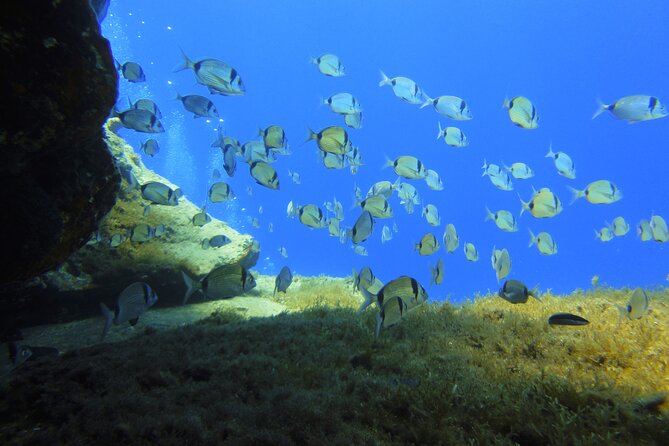
Here’s the part people most care about: what you’ll actually see underwater.
This experience focuses on a home reef on Paradise Beach. It’s close to shore and designed for the exact learning phase this program needs. You’ll spend about 45–60 minutes underwater, or until your tank hits 50 bar—whichever comes first. That air-management rule keeps the experience safer and more controlled for beginners.
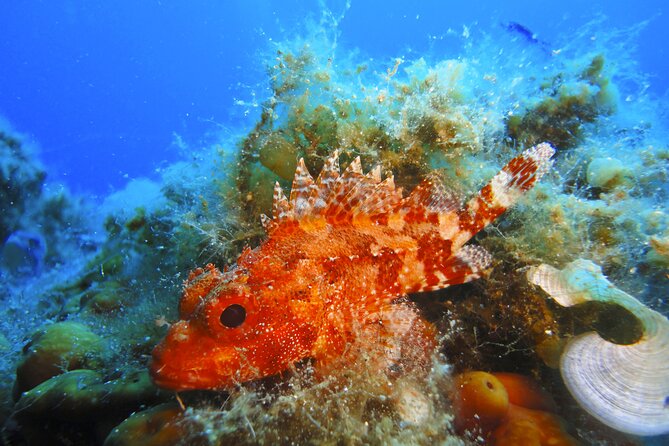
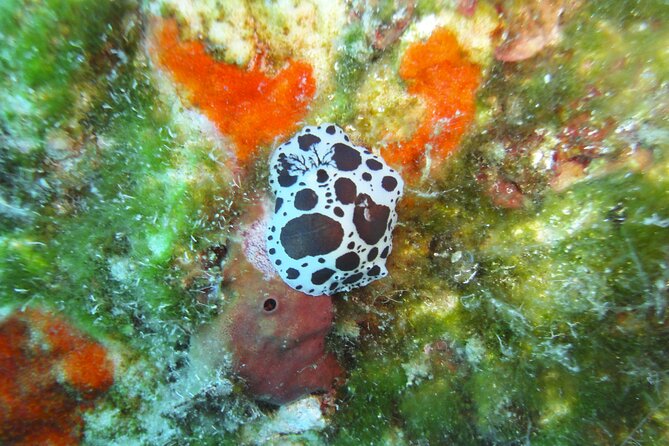
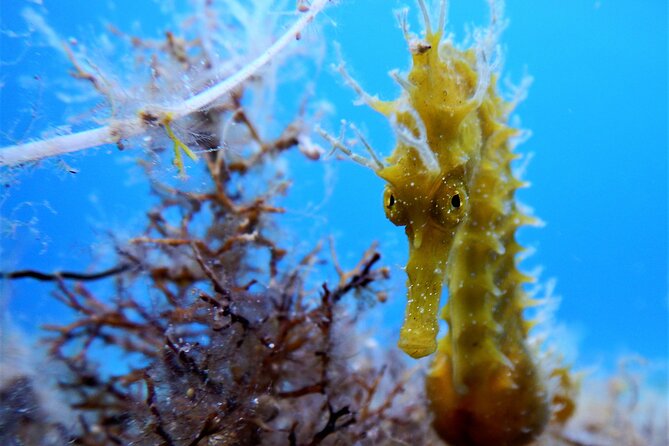
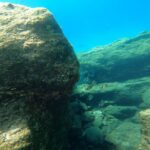
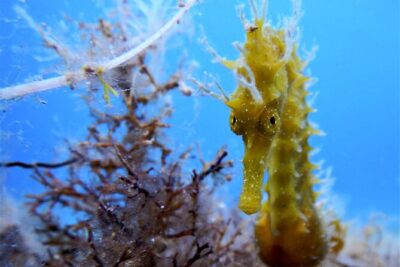
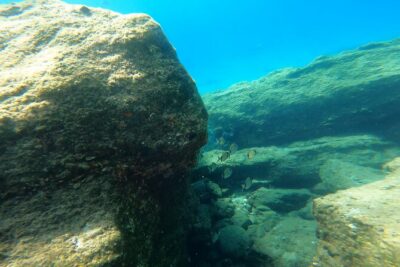
Now for the honest context: this is the Mediterranean. That means you should not expect coral reef scenery the way you might in places with tropical coral ecosystems. The local reef is rocky, and the marine life tends to show up as a mix of small fish and creatures that live in and around rocky structure.
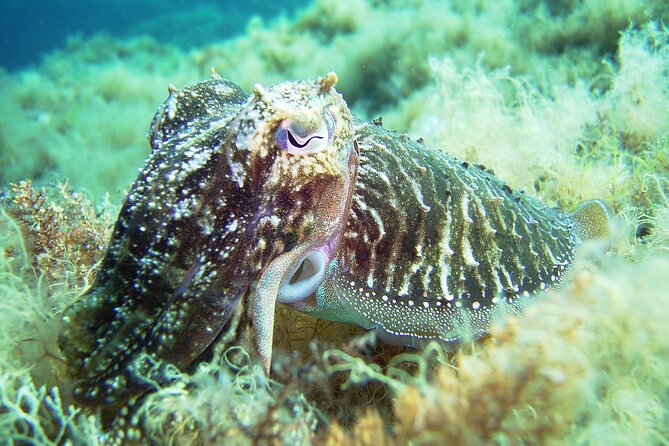
When people talk about the best chances for wildlife on this reef, these names come up:
- Octopus
- Cuttlefish
- Other interesting Mediterranean marine creatures
What that means for you: if you go expecting “hand-feeding clownfish-level drama,” you may feel let down. If you go expecting a calm first taste of the underwater world—where learning control matters more than max spectacle—you’ll probably feel perfectly satisfied.
Optional boat session after you pass the basics
If you successfully complete the main program, there’s an option for an additional underwater session from a boat. This extra option costs more, and it’s described as a chance to continue the fun after you’ve proved you can handle the basics.
The maximum depth mentioned for the additional boat option is 12 meters. If your goal is just to see if scuba is your thing, you can stop after the main session. If you’re having a great time and want a little more exploration, this extra step can be a good follow-on.


Price and value: what you’re really paying for
At $238.94 per person, this isn’t a bargain-basement activity. But it’s not wildly priced for what it includes either, because you’re paying for:
- Qualified instructor attention
- Scuba equipment use
- A guided PADI Discover Scuba program experience
The big value driver is the small-group format. When you’re learning something physically and mentally new—breathing underwater, managing buoyancy instincts, staying calm—one-on-one or near-one-on-one attention is worth money. A group of four per guide is the difference between learning comfortably and spending the whole session trying to figure things out alone.
Is the reef a coral paradise? No. Is the main goal learning and safety? Yes. If you’re the kind of person who wants a “certificate factory” or a full training track, this may feel short. But if you want a smart introduction that teaches the steps used by PADI-certified divers, then the cost starts to make sense.
Timing, schedule options, and how to plan your day
You’ll have a choice of different departure times. The total time is about 2 hours 30 minutes (approx.), which is a manageable chunk of a Mykonos day.
Two practical planning points:
- Don’t schedule this right before flying. Diving within 48 hours of flying isn’t recommended. If you’re doing islands back-to-back or have a late flight, plan your scuba experience earlier in your trip.
- Expect weather to matter. The program runs subject to favorable conditions. If it’s canceled due to poor weather, you’ll be offered an alternative date.
Also, you’ll receive a mobile ticket after booking, and the program is offered in English. If you need hotel pickup/drop-off, it’s available for a fee, and some people find that worth it if they don’t want to figure out timing and transport while wearing an eager-yet-nervous expression.
Health questionnaire and who should skip it
This experience requires participants to complete a health questionnaire before the underwater session. Some pre-existing medical conditions—like asthma or heart conditions—may prevent you from diving, and the program asks you to consult your doctor if you’re unsure.
If you’re generally healthy and you can comfortably handle a new physical activity, most people can participate. Still, I recommend being honest with yourself: if you tend to panic when you can’t control your breathing, tell the instructor at the start. Instructors here are trained to help you manage instincts, and that’s often the difference between a tough first attempt and a great one.
Who this is best for (and who might feel disappointed)
This program is a strong fit if you:
- Want to try scuba for the first time without committing to a full certification course
- Like structured instruction and small groups
- Are okay with a rocky Mediterranean reef and close-to-shore conditions
- Want to learn how safety and air management work in real time
It might be less satisfying if you:
- Want an “all day, max wildlife” type of experience
- Expect coral reef scenery (this is not a tropical coral environment)
- Are very sensitive to walking with heavy gear and getting some grit in your fins
One more point: most instructors are praised for being patient and calm, but there is at least one negative report where someone felt the experience fell short on instruction quality. That’s rare in the overall theme, but it’s still your reminder to speak up immediately if you need slower pacing.
Should you book this Mykonos scuba trial?
If you want a real introduction to scuba in small groups, with real safety instruction and a guided underwater session on the home reef at Paradise Beach, I think this is a solid booking. The structure is the selling point: you don’t just get thrown in. You learn what to do, practice it, and then get time underwater while keeping things controlled.
Book it if your goal is confidence and first steps. Skip it (or adjust expectations) if you’re chasing tropical coral visuals or you’re planning to fly soon after—because the program itself is built around safety rules and realistic conditions.
FAQ
FAQ
What’s the duration of the Mykonos experience?
It runs for about 2 hours 30 minutes (approx.).
Where does the experience start and end?
It starts at Paradise Beach (Paradise Beach resort) and ends back at the same meeting point.
Do I need prior scuba experience?
No prior scuba experience is required.
How old do you need to be to join?
You must be at least 10 years old. Children must be accompanied by an adult.
Do I need to complete any health form?
Yes. You’ll be required to complete a health questionnaire before diving. Some medical conditions may prevent you from participating, so you should consult your doctor if you have concerns.
What’s included in the price?
Included are a qualified diving instructor, use of scuba diving equipment, and the PADI Discover Scuba Diving experience.
Is there an optional additional underwater session?
Yes. After you successfully complete the main program, you may be able to join an additional session from the boat for an extra cost, with a maximum depth of 12 meters.
What happens if weather is bad?
The activity depends on favorable weather. If it’s canceled due to poor weather, you’ll be offered an alternative date.
More Diving and Snorkeling in the Blue
More Mykonos Tours to Browse
Not quite this one? A handful of other Mykonos trips we have written up








Mykonos Diving & Snorkeling, compared.
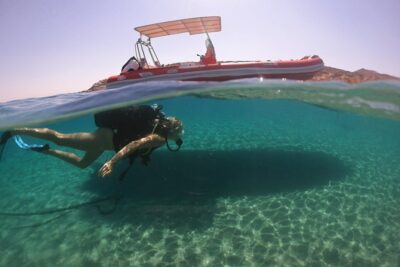 ★ 5.0Try a DIVE, discover scuba diving in MykonosFrom $193216 reviews
 ★ 5.0Qualified Diver 1 Tank Dive in MykonosFrom $17865 reviews
 ★ 4.5Snorkeling Adventure TripFrom $11951 reviews
 ★ 4.9Scuba Diving Mini Program for BeginnersFrom $18846 reviews
 ★ 5.02-Hour Mykonos Private Sea Safari and Snorkeling on a PowerboatFrom $1,0898 reviews
 ★ 5.0Private 1-Hour Guided Snorkeling Adventure with Go Pro PicturesFrom $1378 reviews
Browse the lists this tour appears in